




Ask any fleet manager which cost is hardest to control and the answer is usually fuel. The fuel bill changes from month to month and the reasons are unclear: is it distance? Driving style? Long idling? Or, unfortunately, fraud and theft? The good news is that fuel monitoring no longer relies on invoices and estimates, but on accurate real-time data. In this article we explain the causes of fuel waste in fleets, how to detect fraud, and practical steps to lower the bill.
Where is fuel lost in your fleet?
1. Idling
Leaving the engine running while waiting at a customer or during breaks to run the air conditioning, especially in the Saudi summer, burns fuel without covering any distance.
2. Driving style
High speed, aggressive acceleration and harsh braking clearly increase consumption compared with smooth driving.
3. Suboptimal routes
A route a few kilometers longer on every trip becomes thousands of extra kilometers per month across the fleet.
4. Poor maintenance
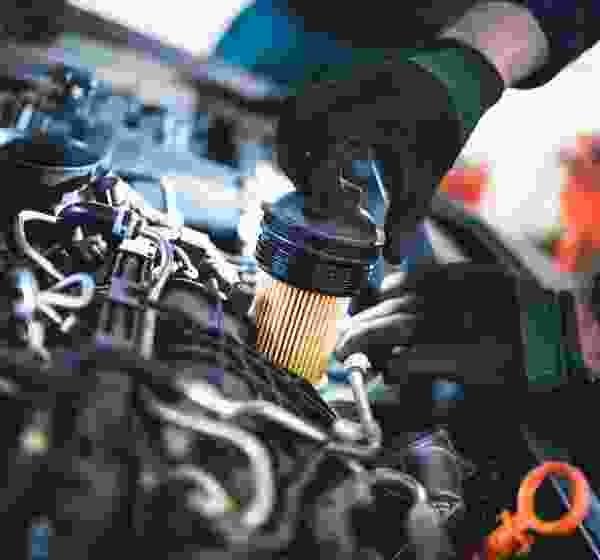
Incorrect tire pressure, dirty filters and undetected engine faults all increase consumption.
5. Personal use
Using vehicles after hours or for private trips burns fuel at the company’s expense.
6. Fraud and theft
Draining fuel from the tank, overfilling on the company card, or recording fills that never happened.
How fuel monitoring systems work
- Fuel level sensors: installed in the tank to measure the fuel level accurately around the clock.
- Engine data: some vehicles allow consumption to be read directly from the vehicle’s computer.
- Fuel card integration: comparing the fill recorded on the card with the amount that actually entered the tank and with the vehicle’s location at the time.
- Smart analysis: the platform compares consumption with distance, time and vehicle type and flags anything abnormal.
How to detect fuel fraud
- A sudden drop in tank level while the vehicle is parked: a strong sign of fuel draining.
- A card transaction while the vehicle is not at the station: the system compares the vehicle’s location with the time and place of the transaction.
- A fill larger than the tank capacity or the actual rise in level.
- Consumption per 100 km far higher than similar vehicles in the same fleet.
Practical steps to reduce your fuel bill
- Set a baseline: know each vehicle’s current consumption before making changes.
- Create an idling policy: set a maximum duration and enable alerts when it is exceeded.
- Optimize routes: use smart route planning to cut distances and trip times.
- Score drivers: share driving behavior reports with drivers and reward the best performers.
- Commit to preventive maintenance: especially tires, filters and engines.
- Link fuel cards to the system: so every fill can be verified.
- Review reports monthly: look at the highest-consuming vehicles to find the cause.
The role of predictive monitoring
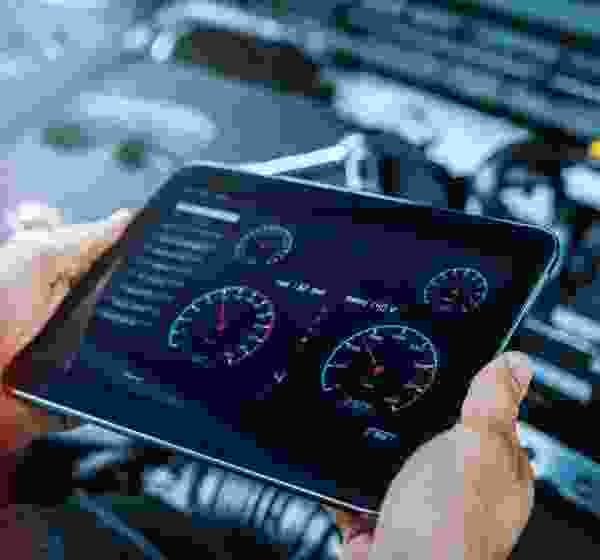
Some engine and injection faults raise consumption gradually without the driver noticing. Predictive monitoring systems read engine data and detect these signs early, so the problem is fixed before it becomes ongoing waste or a major breakdown.
Pixa fuel monitoring solutions
Pixa provides accurate fuel sensors, fuel card integration, consumption reports per vehicle and driver, and instant alerts for any sudden drop or suspicious fill, in addition to our predictive vehicle health monitoring system that detects engine faults affecting consumption.
Learn more: discover Pixa’s Predictive Vehicle Health Monitoring System.
Frequently Asked Questions
Are fuel sensors accurate?
Professional level sensors give accurate, continuous readings and are calibrated to the shape and capacity of each vehicle’s tank.
Can a fuel sensor be installed in small cars?
Yes, but they are more common in trucks and equipment due to their high consumption; engine data can be used in some cars.
How do I know if a driver leaves the engine running?
The system records idling periods for each vehicle and sends an alert when the set duration is exceeded.
Can the system be linked to fuel cards used in Saudi Arabia?
The Pixa platform supports fuel card integration, and our team defines the integration method based on your card provider.
Know where every liter of fuel in your fleet goes. Contact Pixa for a free fuel consumption review and a quote for fuel sensors. Contact us now