





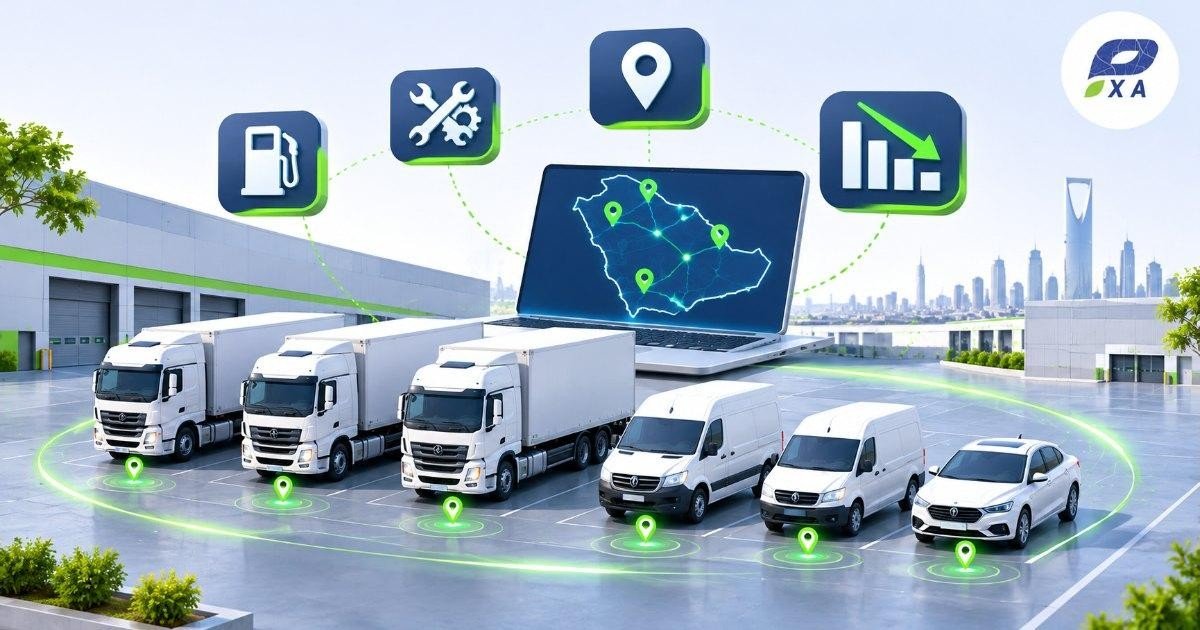

Many business owners think fleet management simply means knowing where the vehicles are, but location is only a small part of the picture. The real costs of a fleet hide in wasted fuel, late maintenance, violations, unnecessary trips and unproductive running hours. A fleet management system brings all these details together in one place and turns them into decisions that save real money every month. In this article we explain what a fleet management system is, its components, and how it helps you lower operating costs step by step.
What is a fleet management system?
A fleet management system (FMS) is an integrated platform for managing everything related to company vehicles across their whole life cycle: daily operations and tracking, fuel, maintenance, drivers, costs and reporting. It relies on trackers and sensors inside the vehicles and an online platform that collects, analyzes and displays the data in one dashboard.
Tracking system vs. fleet management system
A tracking system answers one question: where is the vehicle? A fleet management system answers bigger questions: is the vehicle used efficiently? When is its next service due? How much does it cost the company each month? Which driver needs training? Do we need more vehicles or do we have a surplus? In other words, tracking is the foundation, and fleet management is the brain that turns data into decisions.
Core components of a fleet management system
- Live tracking and monitoring: vehicle location and status around the clock.
- Fuel management: monitoring consumption, detecting waste and misuse, and linking with fuel cards.
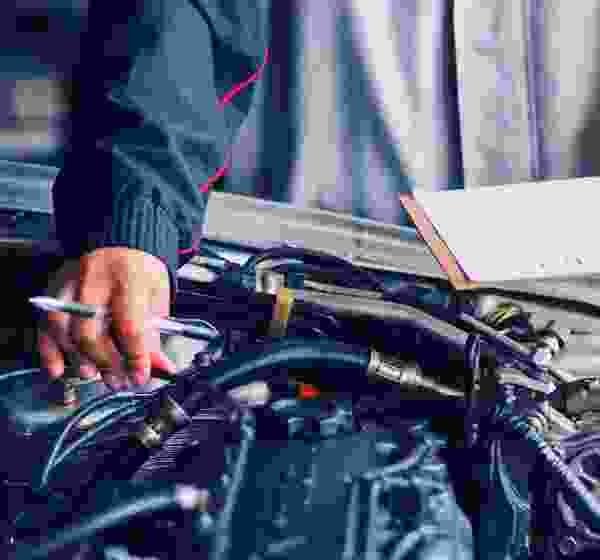
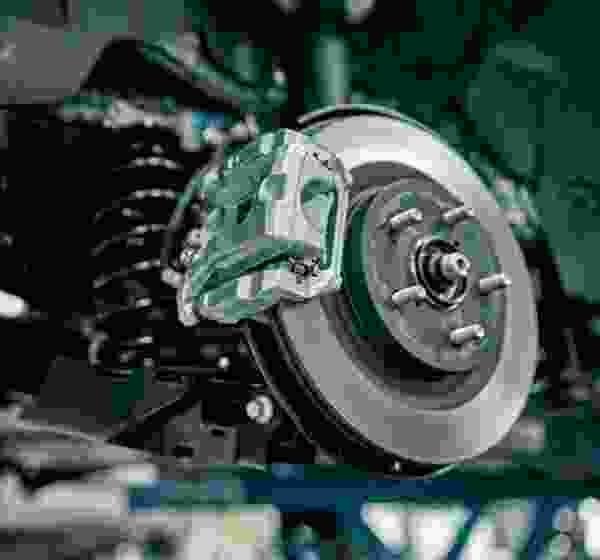
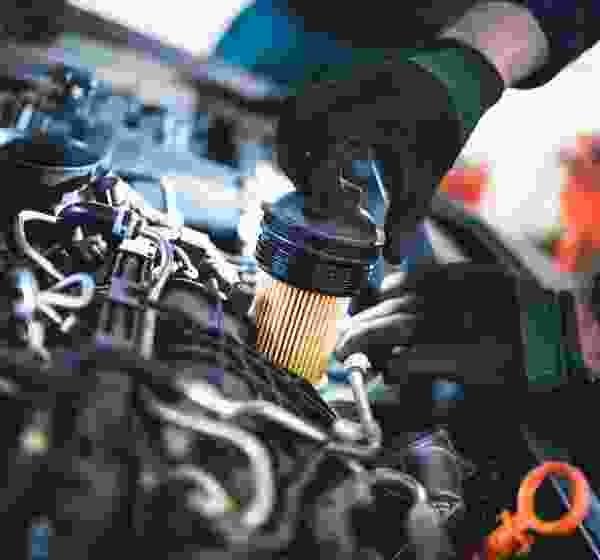
- Maintenance management: scheduling routine service by mileage or engine hours, with alerts before it is due.
- Driver management: evaluating driving behavior, recording who drives each vehicle and tracking working hours.
- Route and job management: assigning jobs to vehicles and optimizing routes.
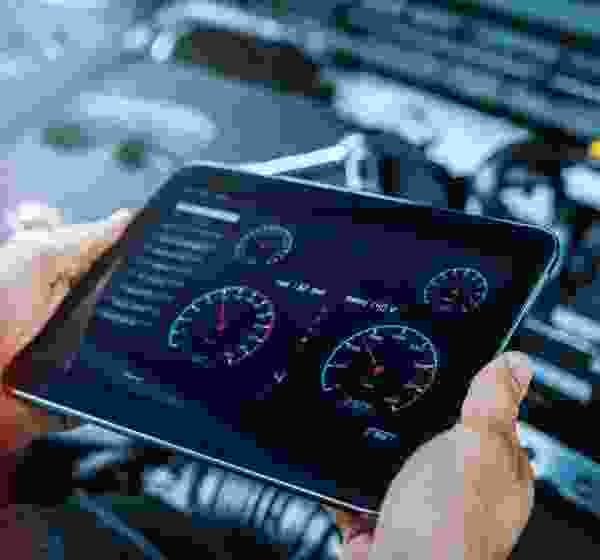
- Reports and dashboards: clear KPIs for senior management.
- Integration: connecting the system with ERP, accounting and warehouse systems.
How a fleet management system reduces operating costs
1. Lower fuel bills
Fuel is usually one of the largest fleet costs. The system detects long idling, routes longer than necessary, aggressive driving that raises consumption, and any gap between fuel filled and distance driven.
2. Preventive maintenance instead of sudden breakdowns
A breakdown in the middle of a trip means a more expensive repair, a late delivery and possibly damaged cargo. The system reminds you of maintenance on time, and smart features such as predictive monitoring anticipate failures before they happen by reading engine data.
3. Stopping unauthorized use
Using vehicles for personal trips or after hours burns fuel, adds wear and increases risk. With the system, every movement is recorded and visible.
4. Higher productivity per vehicle
When you know which vehicle is available and closest to the customer, you complete more jobs with the same number of vehicles, and you may find you do not need to buy new ones at all.
5. Fewer accidents and violations
Speed alerts and driver scoring reduce accidents and traffic violations, which lowers repair and insurance costs and protects your reputation.
6. Decisions based on numbers
Instead of estimates, you know the cost of every vehicle and every kilometer, and decide when to replace an old vehicle or redistribute the fleet between branches.
KPIs you should track in your fleet
- Operating cost per kilometer.
- Fuel consumption per vehicle.
- Share of idle running hours.
- On-time delivery rate.
- Speeding events per driver.
- Maintenance schedule compliance.
- Vehicle utilization (how many working hours each vehicle is actually in use).
Steps to implement a fleet management system
- Assessment: define the number and types of vehicles and your biggest current problems (fuel, delays, breakdowns).
- Choose the solution: pick a system that covers today’s needs and can scale.
- Phased installation: start with a group of vehicles, then roll out to the whole fleet.
- Training: train supervisors to read reports and respond to alerts.
- Monitor and improve: review KPIs monthly and adjust policies based on results.
Pixa fleet management solutions
Pixa offers an integrated suite covering live tracking, fuel monitoring, predictive vehicle health monitoring, driver performance evaluation, AI-based route optimization and electric vehicle fleet management, with a customizable Arabic dashboard and 24/7 local technical support. We start by understanding your fleet, then design the solution that delivers the highest return on your investment.
Learn more: discover Pixa’s Intelligent vehicle tracking and monitoring system.
Frequently Asked Questions
Is a fleet management system suitable for small companies?
Yes. Even companies with a few vehicles benefit from lower fuel use, stopping unauthorized use and keeping up with maintenance.
When will I see results?
Many results, such as detecting idling and after-hours use, appear in the first weeks, while maintenance and annual cost results become clearer over time.
Can the system be linked to accounting or ERP software?
Yes. The Pixa platform supports integration with ERP systems and fuel cards.
Do I need a full-time employee to run the system?
Not necessarily. Automatic alerts and reports reduce daily effort, and one trained operations supervisor is enough for most companies.
Start cutting your fleet costs this month. Contact Pixa for a free review of your current fleet and a quote that fits the size of your company. Contact us now