

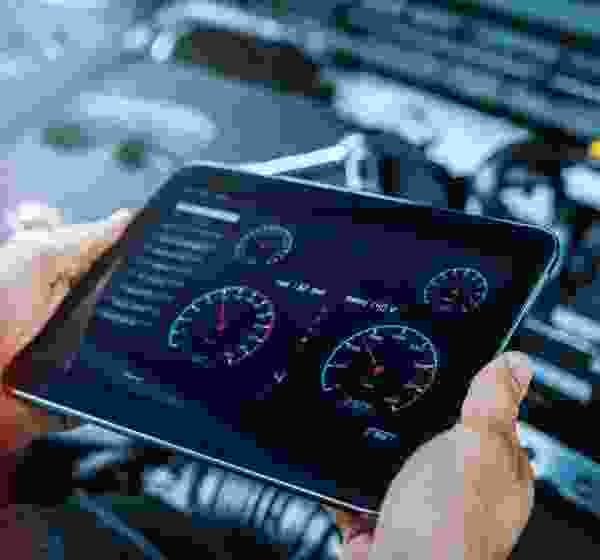
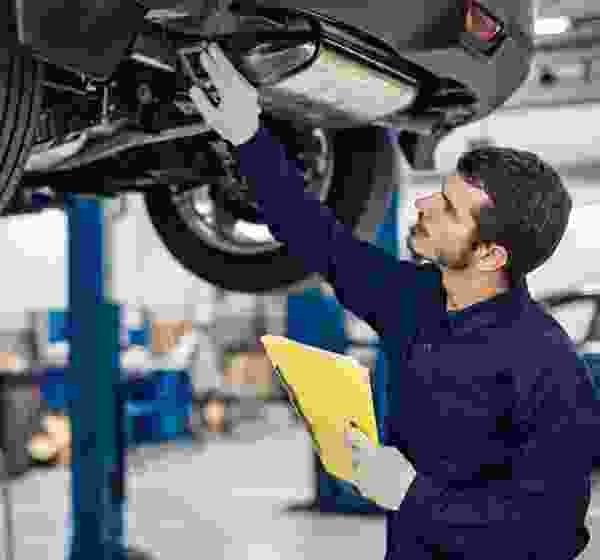
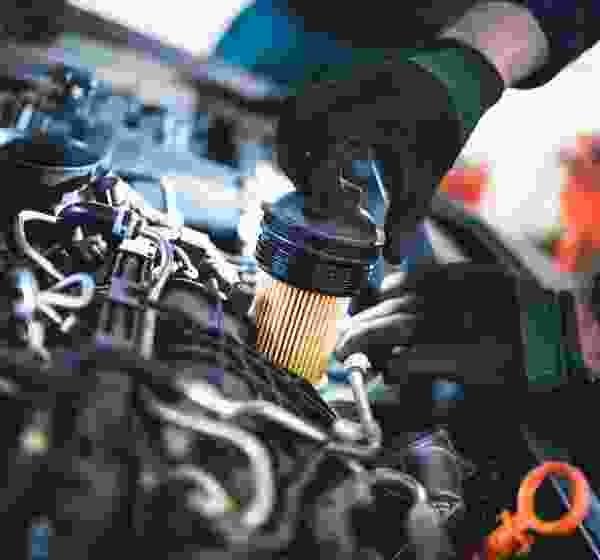



Whether your company runs five vehicles or five hundred, the daily questions are the same: where are the vehicles right now? Is the driver on the right route? How much fuel did we spend this month? Answering these questions with phone calls and paper reports wastes time and money, and opens the door to errors and misuse. That is where a vehicle tracking system comes in. Today it is an essential tool for any transport, distribution, contracting or field-service company in the Kingdom. In this guide we explain simply how the system works, which features you actually need, and how to choose the right solution for your fleet without paying for features you will never use.
What is a vehicle tracking system?
A vehicle tracking system is an integrated solution made up of a device installed in the vehicle, a communication network that transmits the data, and an online platform (web or mobile app) that displays this data live. The device uses satellites (GPS) to determine the location precisely, then sends the location, speed, engine status and other data over the mobile network to the platform every few seconds.
The result: you open your phone or computer and see all your vehicles on the map, where they stopped, how far they drove, who was driving, and whether they exceeded the speed limit or left the permitted area.
How does a vehicle tracking system work, step by step?
- Positioning: the tracker receives satellite signals and calculates the vehicle’s location, usually to within a few meters.
- Data collection: the device reads additional data such as ignition on/off, speed and stops, and can be connected to fuel, temperature and load sensors.
- Transmission: data is sent through a SIM card to the platform’s servers.
- Display and analysis: the platform shows data on a live map and turns it into reports and alerts that support your decisions.
Key features of a vehicle tracking system for companies
1. Real-time live tracking
Know where every vehicle is at any moment. This helps you answer customers asking when their shipment will arrive, and send the nearest vehicle to any urgent job.
2. Trip and route history
Go back to any past trip and see the full route, stops and the duration of each stop. The Pixa platform, for example, lets you retrieve trip routes from the last 90 days, which is very useful for resolving customer disputes and reviewing driver performance.
3. Geofencing
Draw virtual zones on the map, such as the warehouse, a project site or city limits, and get an instant alert when a vehicle enters or leaves them at an unauthorized time.
4. Speed and behavior alerts
The system detects speeding, harsh braking, aggressive acceleration and long idling, all of which affect safety, fuel consumption and vehicle life.
5. Performance and cost reports
Daily, weekly and monthly reports on distance, operating hours, stops and fuel consumption show you exactly where your money goes.
6. Integration with company systems
Professional systems integrate with ERP systems and fuel cards, so fleet data becomes part of your daily workflow instead of sitting in an isolated system.
Who needs a vehicle tracking system in Saudi Arabia?
- Transport, shipping and logistics companies.
- Distribution and delivery companies serving restaurants, retail and e-commerce.
- Contracting companies managing equipment and vehicles across multiple sites.
- Cold-chain food and pharmaceutical transport companies.
- Car rental and limousine companies.
- Government entities, municipalities, field-service and maintenance companies.
- Schools and student transport companies.
How to choose the right tracking system (8 criteria)
- Device accuracy and quality: ask about the device type and whether it is certified and built for the Kingdom’s heat and dust.
- Ease of use: try the dashboard yourself. A complicated system will not be used by your team.
- Arabic support: the platform and reports should be available in clear Arabic for operations supervisors.
- Mobile app: you need to follow your fleet when you are away from the office.
- Scalability: can you add fuel, temperature and load sensors later without replacing the whole system?
- Integration: does it connect with your existing company systems?
- Local technical support: a 24/7 support team inside the Kingdom makes a big difference when issues arise.
- Compliance with Saudi regulations: make sure the provider understands the requirements of regulators such as the Transport General Authority and the Saudi Food and Drug Authority, depending on your activity.
How much can a vehicle tracking system save your company?
Savings vary with fleet size and type of operation, but the main sources are clear: less fuel wasted on idling and longer routes, less personal use of vehicles after working hours, better maintenance scheduling, fewer violations and accidents, and more jobs completed per day with the same number of vehicles. Many companies notice the difference in the first month, especially on the fuel bill.
Common mistakes when buying a tracking system
- Choosing the cheapest option without considering support and platform quality.
- Buying devices without a real analytics and reporting platform.
- Not training supervisors and drivers on the system.
- Ignoring alerts after installation, so the system becomes just a map.
Why Pixa?
Pixa offers a smart platform that combines IoT and artificial intelligence, with a customizable dashboard, live tracking, trip history, geofencing, driver performance and fuel consumption reports, integration with fuel cards and ERP systems, and local technical support inside the Kingdom. Most importantly, we do not just sell devices; we build the right solution for your fleet with you.
Learn more: discover Pixa’s Intelligent vehicle tracking and monitoring system.
Frequently Asked Questions
Does the tracking system work without internet in the car?
Yes. The device has its own SIM card, and when coverage is weak it stores data and sends it automatically once the network is back.
Can the tracker be installed on any type of vehicle?
Yes. It can be installed on cars, trucks, buses and heavy equipment, with the right device chosen for each category.
Does the tracker drain the car battery?
Professional devices use very little power and switch to power-saving mode when the vehicle is parked.
How long does installation take?
Installing a single device usually takes less than an hour, and fleet installation can be scheduled in phases without disrupting work.
Want to see how the system works on your own fleet? Contact the Pixa team for a free demo and a custom quote based on the number of your vehicles. Contact us now